
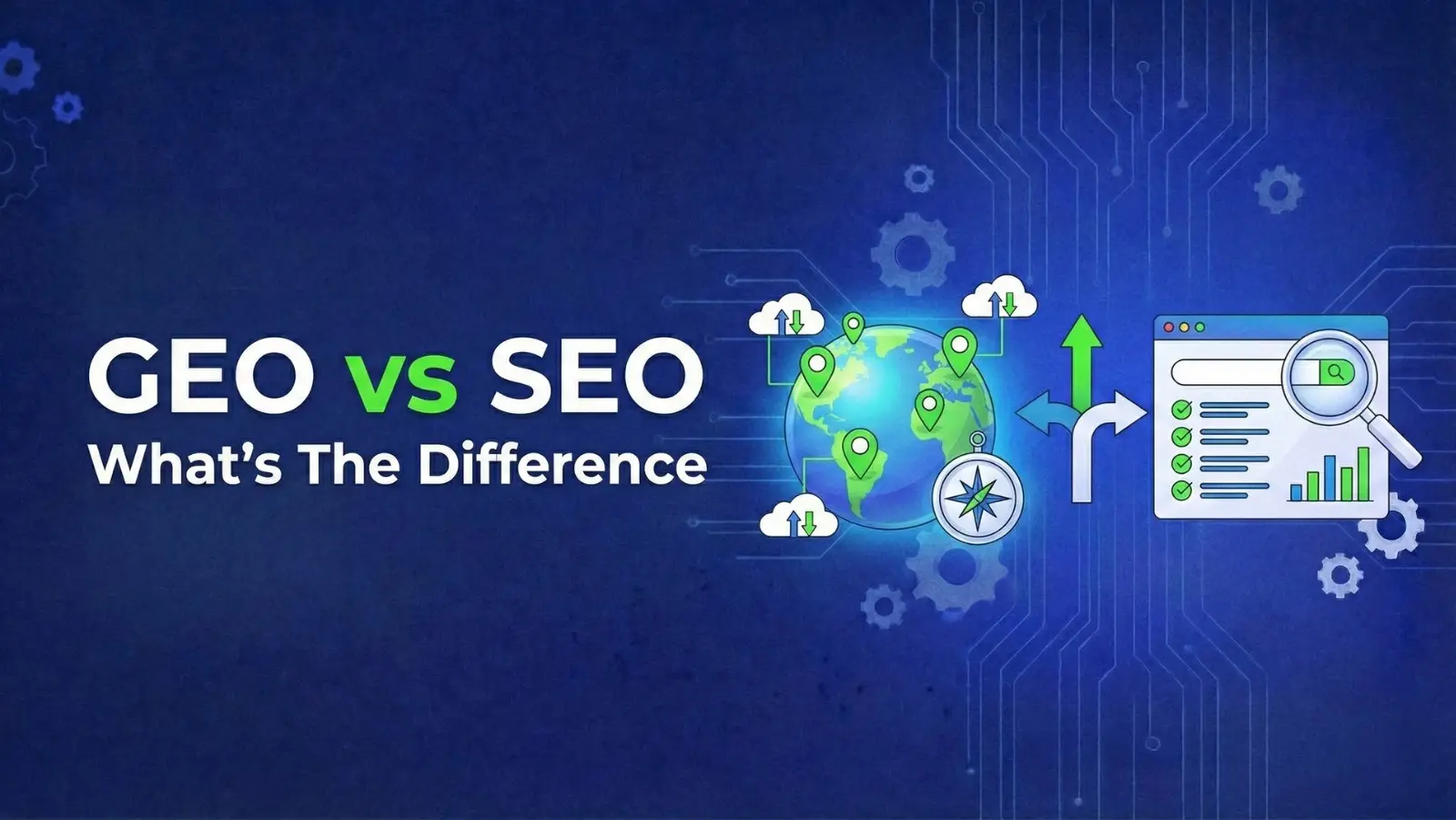
Are you confused about whether to focus on SEO or GEO-targeting for your website? Many businesses struggle to choose the right strategy for reaching their audience effectively.
The truth is, both SEO and GEO have unique benefits—but knowing when and how to use them can make all the difference.
In this guide, you’ll learn the core differences between SEO and GEO, their advantages, and how to decide which strategy fits your business goals.
What is SEO?
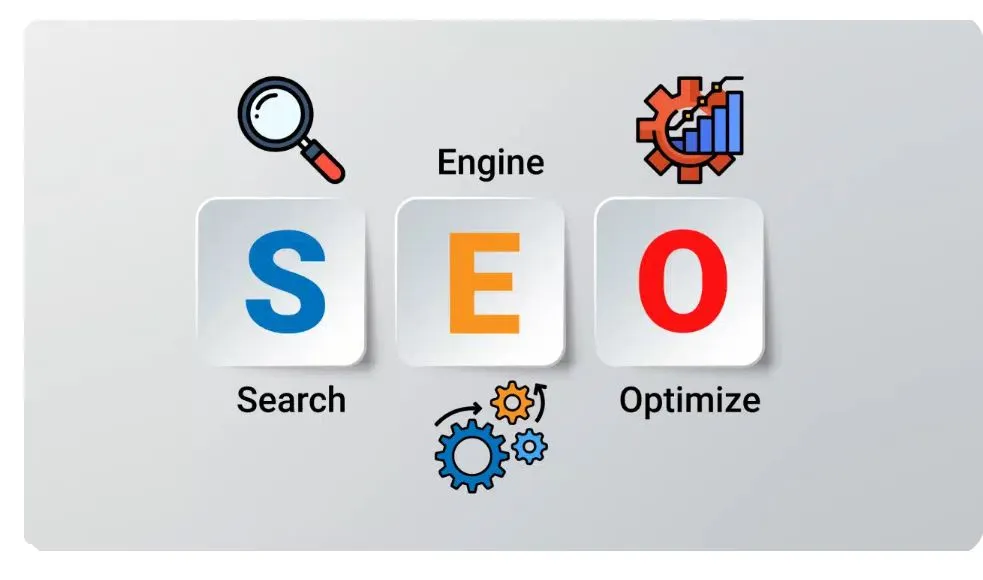
Search Engine Optimization (SEO) is the process of optimizing your website to rank higher in search engine results for relevant keywords.Key points:
- Focuses on global or broad search visibility
- Uses on-page and off-page strategies
- Aims to increase organic traffic over time
- Works for blogs, e-commerce, and informational sites
What is GEO?

GEO-targeting (or Geotargeting) is the strategy of delivering content or ads to users based on their geographical location.
Key points:
- Focuses on local or regional audience
- Can be applied via Google My Business, local directories, or location-specific ads
- Improves relevance for nearby users
- Great for physical stores, local services, and region-specific campaigns
SEO vs GEO – Key Differences
| Feature | SEO | GEO |
| Goal | Rank higher on search engines globally or broadly | Reach users in a specific location |
| Focus | Keywords, content, backlinks | Location, local relevance, maps |
| Audience | Broader, nationwide, or global | Local, city-specific, or region-specific |
| Tools | Google Search Console, SEMrush, Ahrefs | Google My Business, Local SEO tools, GEO-targeted ads |
| Best For | Online businesses, blogs, e-commerce | Local shops, restaurants, service providers |
Which Strategy Should You Choose?
Use SEO if:
- You want long-term organic growthYour audience is spread across multiple regions
- You provide digital products or services
Use GEO if:
- Your business has a physical locationYou want to attract nearby customers quickly
- You’re running local campaigns or promotions
Combining SEO & GEO
For best results, many businesses combine both strategies:
Use GEO-targeted ads for promotions in your city
Optimize your website content for general keywords (SEO)
Target local keywords and locations (GEO)
List your business on Google Maps and local directories
Conclusion
Understanding the difference between SEO and GEO is crucial for making smart marketing decisions. SEO helps you rank broadly, while GEO ensures you reach the right local audience.
By choosing the right strategy—or combining both—you can boost your traffic, attract relevant users, and grow your business effectively.
Start optimizing your website today with the strategy that fits your goals, and watch your audience grow!
FAQs
Answer: Yes! Combining global SEO with GEO-targeting helps attract both local and broader audiences, increasing overall reach.
Answer: Mostly yes, but GEO can also help online businesses target users in specific regions for promotions or campaigns.
Answer: SEO usually takes several months for significant results, while GEO-targeted campaigns can deliver faster local traffic, sometimes within days.
Answer: Ideally, yes. Tailor content for local users with location-based keywords, offers, and references.
