

“Hey everyone, welcome back to the channel. If you are selling furniture online in the UK right now, I need you to pause what you are doing. You might have the best Meta Ads budget and the most beautiful products, but I promise you—these five hidden operational and marketing mistakes are silently draining your profits and killing your conversion rates. Let’s break down exactly how to fix them.”
Selling furniture online is fundamentally different from selling small e-commerce items like phone cases or cosmetics. Furniture is a high-consideration, high-ticket purchase. A customer isn’t just buying a sofa; they are buying a piece of their home. They need to visualize the product, understand the exact dimensions, trust your delivery process, and know it will fit perfectly before they spend hundreds—or thousands—of pounds.
The UK market opportunity is absolutely massive. According to ECDB market estimates, online channels accounted for roughly 30–35% of UK furniture retail revenue in 2025. But with this huge opportunity comes fierce competition. If your product page lacks clarity, or if your delivery experience falls flat, the customer will bounce to your competitor in seconds.
Having worked deeply in e-commerce operations and online marketplaces, I’ve realized that the biggest wins don’t always come from simply increasing ad spend. They come from fixing the friction points that stop customers from clicking “Buy Now,” and the operational leaks that eat your profit after the sale is made.
Here are the 5 most common mistakes UK furniture sellers make—and the exact blueprint to fix them.

1. Providing Incomplete Product Information and Dimensions
(Targeting: “Furniture dimensions for e-commerce”, “How to prevent furniture returns”)
The absolute number one reason for cart abandonment and expensive returns is missing or vague information. When customers buy a bed, wardrobe, or sofa online, they can’t physically inspect it. They rely 100% on your product descriptions, images, and spec sheets.
If you only list the overall width and height, but leave out internal storage dimensions, package measurements, product weight, or clearance space, you are creating massive friction.
The Data Behind the Confusion
Research commissioned by visual-commerce company Fixtuur found that a staggering 60% of UK consumers have bought furniture online that turned out to be the wrong size. Even more concerning, 49% ordered items that physically couldn’t fit through their front door or up their stairs.
When a customer has to guess whether a wardrobe will fit in their bedroom, they won’t buy it. They will just click away.
Actionable Fixes for Sellers
- Complete Dimensions: Always provide Height, Width, and Depth.
- Package vs. Product: Clearly distinguish between assembled product dimensions and individual package (box) dimensions.
- Internal Storage: Include internal measurements for ottomans, drawers, and wardrobes.
- Assembly & Weight: Provide the product weight and clearly state if assembly is required (and if tools are included).
- Downloadable Specs: Add downloadable PDF specification sheets for complex products. The goal is simple: a customer should never have to message you to ask for basic measurements.
2. Relying on Poor-Quality Images and Limited Product Visualisation
Furniture is an emotional, visual purchase. Customers want to imagine how that sofa will look in their living room before they buy. Using one or two basic images on a white background is a massive mistake. If a customer can’t touch the fabric or see the wood grain, your images have to do the heavy lifting.
The Psychology of Visual Commerce
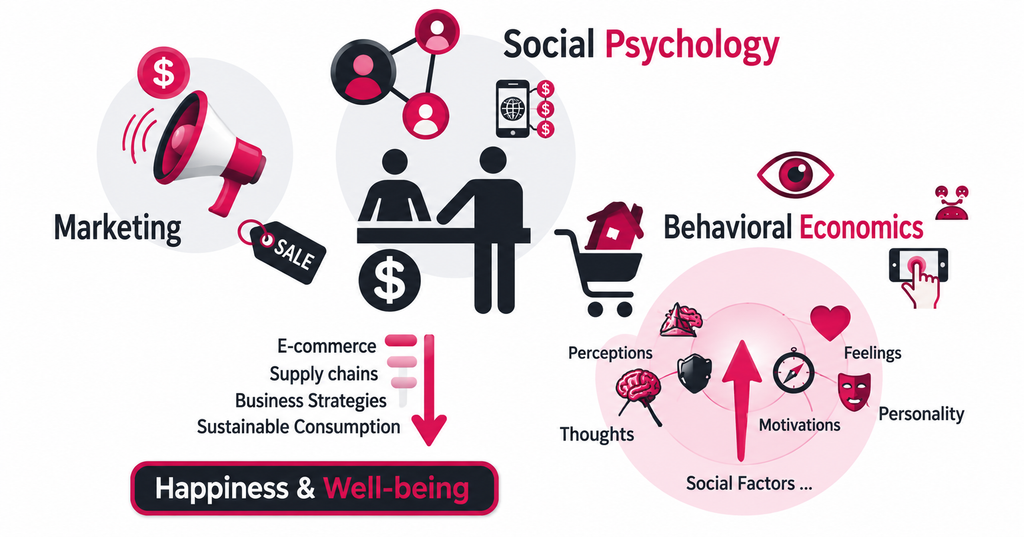
Fixtuur’s research found that 37% of consumers were frustrated when photos didn’t provide a true sense of the item, and 43% said received products didn’t look as expected. This proves that product imagery isn’t just a design choice—it’s a core part of setting accurate customer expectations.
Actionable Fixes for Sellers
- Lifestyle Photography: Show furniture in realistic room settings to communicate scale and placement.
- Macro Shots: Include extreme close-ups of fabrics, wood finishes, stitching, and mechanisms.
- Multi-Angle Views: Use high-resolution images from multiple angles.
- Advanced Tech: Consider 360-degree views, product videos, or 3D augmented reality (AR) visualization where practical.
- Color Accuracy: Ensure colors are accurately represented (avoid heavy filters!). What they see on the screen must match what arrives at their door.
3. Ignoring Delivery Costs, Timings, and Property Access
(Targeting: “Furniture delivery UK”, “Reducing checkout abandonment delivery costs”)
Furniture delivery is a completely different beast compared to standard e-commerce parcels. A wardrobe might fit the product page dimensions, but it might not fit through a customer’s narrow hallway or up a tight staircase.
Unexpected delivery charges are a massive checkout killer. CBRE’s UK Retail Generational Survey 2026 identified delivery costs and delivery timings as major factors limiting online shopping. Furthermore, Mintel found that 37% of shoppers abandoned purchases when their preferred delivery option wasn’t available.
Actionable Fixes for Sellers
- Transparency Before Checkout: Display delivery charges and estimated timelines before the customer enters their payment details.
- Service Clarity: Clearly explain if delivery is “doorstep-only,” “room of choice,” or includes full assembly and packaging removal.
- Access Warnings: Provide package dimensions and strongly advise customers to measure their access points (doors, stairs, lifts).
- Specialist Couriers: Partner with couriers who specialize in bulky items. They know how to handle heavy goods and offer proactive tracking updates.
4. Not Having a Proper Returns and Damage Management Process
Returns are incredibly expensive for furniture businesses. You aren’t just processing a small parcel; you are paying for specialist collection, additional handling, storage, and transport.
If a product arrives damaged because of poor packaging, and you don’t have a clear process for investigating claims, you lose money and destroy customer trust.
The Scale of Furniture Returns
According to Fixtuur’s 2025 Returniture research, 23% of UK consumers returned large furniture items within the previous two years, and 69% believed retailers should cover the return costs. Furthermore, an April 2026 IMRG and nShift survey found that 85.6% of consumers consider a retailer’s returns policy highly important when deciding to buy online.
Actionable Fixes for Sellers
- Clear Policies: Make your returns policy highly visible and easy to understand before checkout.
- Heavy-Duty Packaging: Use protective packaging suitable for bulky furniture to prevent transit damage.
- Photo Evidence: Photograph the product and packaging before dispatch to protect yourself against false damage claims.
- Track the “Why”: Monitor return reasons closely. If a specific wardrobe keeps getting damaged, change your courier or redesign your packaging. Prevent avoidable returns rather than just getting better at processing them.
5. Focusing Only on Generating Sales Instead of Managing Profitability
(Targeting: “Furniture e-commerce profit margins”, “Amazon PPC for furniture”)
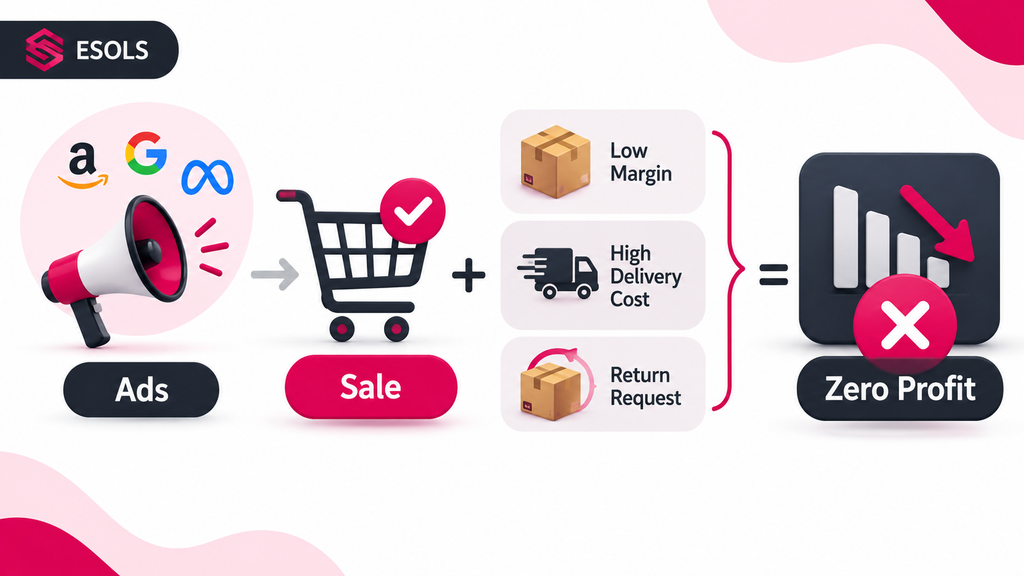
Many sellers obsess over driving traffic through Amazon PPC, Google Ads, and Meta Ads. Advertising is important, but generating an order is only one part of running a profitable e-commerce business.
Consider this: a seller spends money advertising a wardrobe. The product has a low margin, delivery costs are higher than expected, and the customer later requests a return because the package doesn’t fit through the entrance. The seller generated a sale, but the order delivered zero profit—and probably a loss.
The Economic Reality
The Furniture Industry Research Association’s Autumn 2025 Statistics Digest reported that UK household expenditure on furniture and furnishings fell by £3.2 billion between 2022 and 2024. In a tight market, you cannot afford to bleed money on unprofitable orders.
Actionable Fixes for Sellers
- Calculate True Margins: Stop looking at just your ACoS or ROAS. Calculate your actual contribution margin by subtracting ad spend, marketplace referral fees, fulfilment charges, packaging, and a percentage for returns.
- Identify Traps: Identify products generating high sales but low profit. Adjust pricing or cut ad spend on them.
- Review Customer Feedback: Regularly read your reviews and product Q&As to spot recurring issues that might be costing you money in the long run.
FAQs
The biggest mistake is providing incomplete product information. If customers cannot find exact dimensions (including package sizes) or access details, they will abandon the cart. They are afraid the item won’t fit in their home.
To reduce returns, use high-quality lifestyle and close-up images, provide exact internal and external measurements, and use heavy-duty packaging to prevent transit damage. Also, clearly state your delivery and returns policies upfront.
Furniture delivery is complex due to the size and weight of the items. Unexpected costs, unclear delivery times, or failed deliveries due to narrow doorways cause massive customer frustration. Offering room-of-choice delivery and proactive tracking builds trust.
Yes, if possible. Visual-commerce research shows that 43% of customers receive items that look different from the photos. 360-degree views and AR help customers visualize the product in their space, reducing hesitation and increasing conversion rates.
Don’t just look at sales. Subtract all costs: advertising spend (PPC), marketplace referral fees, shipping/courier costs, packaging materials, storage, and an estimated allowance for returns and damaged goods.
Final Thoughts & The Bigger Picture
Selling furniture in the UK is highly lucrative, but success requires more than just competitive prices and effective advertising. It requires absolute trust.
Customers want realistic visuals, precise dimensions, dependable delivery, and a clear returns process. From my experience as an e-commerce specialist, the biggest opportunities for growth often lie in fixing the small, overlooked operational details. Improve your product data, upgrade your visuals, manage delivery expectations, and watch your profitability climb.

